
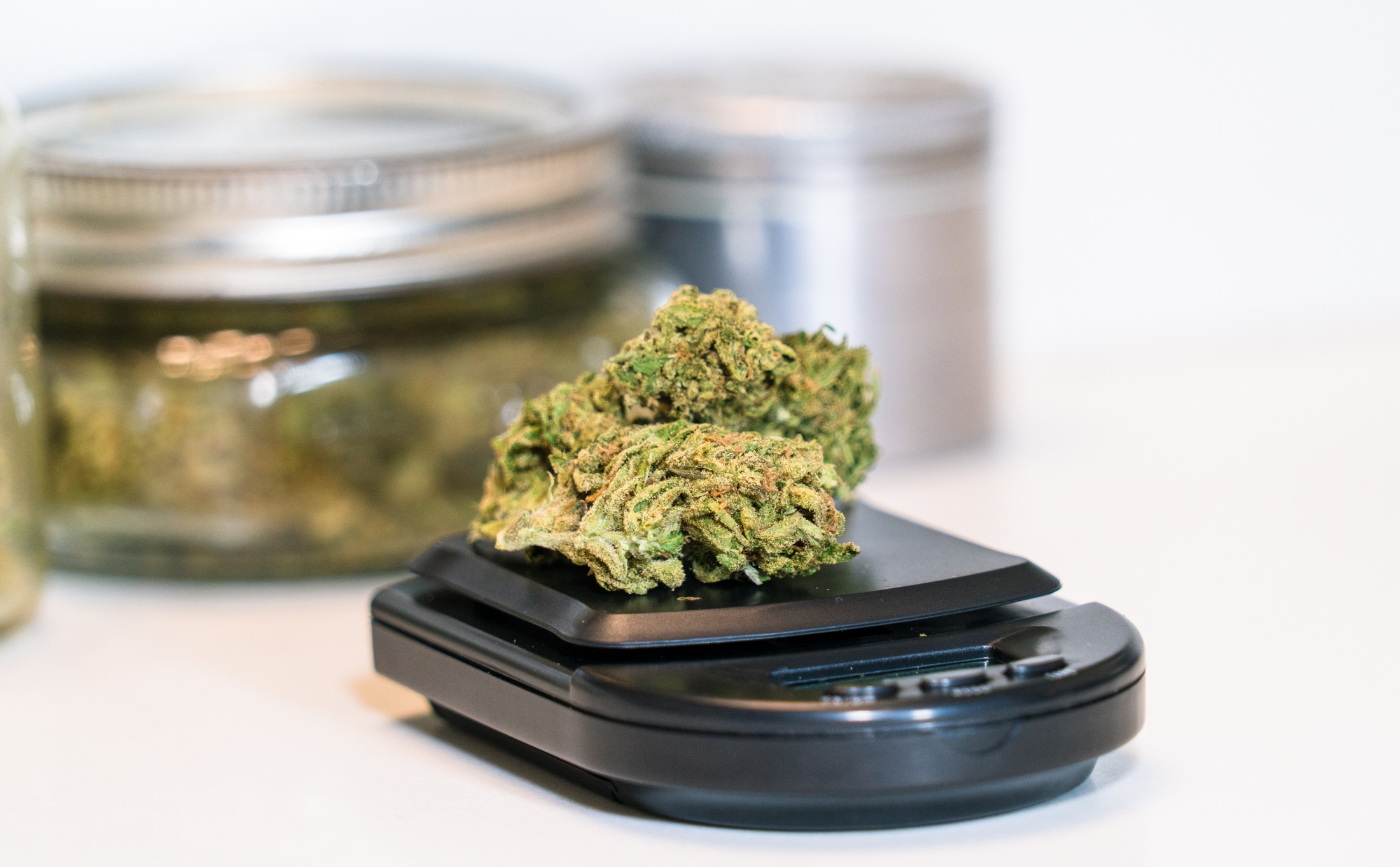

Exploring the world of legalized cannabis can be confusing. Understanding cannabis measurement is key. It helps you follow state laws and get the best value for your money. Let’s look at the question: how much weed is 1.5 oz? An ounce is about 28 grams, so 1.5 ounces is around 42 grams. Knowing this helps you shop smart at dispensaries.
It’s hard to picture 1.5 ounces of marijuana because of the different bud sizes and densities. Small, dense Indica buds and big, fluffy Sativa buds are examples. A gram might be one medium-sized bud, and 1.5 ounces can be a lot more. This guide aims to help everyone understand cannabis measurement and marijuana weight.
Key Takeaways
- Understanding cannabis measurement is vital for purchasing and legality purposes.
- 1.5 ounces of marijuana weight is equivalent to approximately 42 grams.
- The visual aspect of weed can be misleading due to varying densities and appearances of different strains.
- Being aware of how much weed is 1.5 oz helps consumers make informed decisions and avoid overpaying.
- Prices of cannabis may fluctuate based on quantity, quality, and regional market rates.
- Cannabis legality varies by state, affecting possession limits and purchase restrictions.
- Familiarity with measurements in both grams and ounces is essential for navigating the adult-use cannabis market.
Understanding Cannabis Measurement Basics
When you start exploring cannabis, knowing the marijuana measurement system is key, especially if you’re new. This system mixes metric and imperial units. It leads to many cannabis quantity names that might confuse beginners.
At the start, a gram is the typical amount to buy, often with one or two buds. An eighth is 3.5 grams, with a few bigger buds. Then, there’s a quarter ounce, which is 7 grams.
- A half ounce, or a half, is 14 grams.
- One ounce, or an O or Z, has about 28 grams.
For those who use more, the system goes up to a full pound. This is 448 grams of cannabis. Knowing details like a “dime” is half a gram for about $10 helps with buying and using.
In concentrates, the weed quantity gets even more complex. From 28 grams of dried flower, you can get 2 to 6 grams of wax or dabs. This is important for those who prefer concentrates over flower, as the amount and strength can change a lot.
Visualizing cannabis quantities can help. A gram is like a grape, and an ounce is like a coconut. A full pound is as big as a watermelon.
Also, remember that weed prices vary a lot. The cost can change based on where you are and the quality of the weed. For example, an ounce of lower-quality weed might cost $150 to $220. But, better-quality weed can cost much more, showing that quality matters.
If you want to learn more about cannabis weights and THC dosing, check out this guide. It offers useful insights and tools for understanding this complex topic.
Whether you use weed a little or a lot, knowing the marijuana measurement system is very important. It helps you get the right amount, avoid too little or too much, and save money on your weed purchases.
How Much Weed is 1.5 oz: Visualizing the Amount
Understanding 1.5 ounces of cannabis can be fascinating, especially for newcomers or those wanting to grasp dispensary purchases better. This amount is about 42 grams. It helps in making informed choices when buying weed.
The Anatomy of an Ounce
An ounce of cannabis usually includes larger buds. This makes it a cost-effective and visually appealing choice for bulk buyers. Discussions on ounce conversion are important here. They help buyers make better choices at dispensaries.
1.5 ounces, or an ounce plus a half, can fill a standard resealable sandwich bag. This visual guide helps in understanding the volume.
Comparing to Everyday Items
- A full ounce can fill a sandwich bag, while half an ounce fills it halfway.
- An eighth of an ounce, being much less, might loosely fill a sunglasses case. This shows a smaller volume and helps in understanding weed amounts.
Differences in flower structure and density, due to strain and brand, can affect volume. It’s important for consumers to refer to a visual guide to weed amounts when choosing. Buying in bulk can be cost-effective, thanks to ounce conversion strategies used by savvy buyers.
The Legal Aspects of Marijuana Weight
The world of recreational cannabis regulations, marijuana possession laws, and legal limits is changing fast. In the United States, how you can use marijuana depends a lot on where you are. This affects both those who use it for fun and those who use it for health reasons.
In places like Alaska and Michigan, you can have up to one ounce of marijuana. This matches what the federal government says is okay for fun use. But, some states let medical users have more, showing a more detailed way of handling marijuana rules.
- California lets people have up to one ounce for fun and grow up to six plants.
- In Connecticut, you can have up to 1.5 ounces in public and up to 5 ounces in a locked spot.
- Colorado and Minnesota are even more lenient, letting you have up to two ounces for fun.
It’s key to know your local marijuana possession laws to follow the rules. Different states have different rules. This affects how you can use it and how businesses work in the industry. Plus, over 800 banks and credit unions now deal with marijuana businesses.
Also, the push for legalizing marijuana in different states shows how important it is to keep up with recreational cannabis regulations. Knowing these laws helps you use marijuana the right way. It’s good for both fun and health uses.
Staying updated with the legal changes in marijuana regulations in your state ensures responsible and compliant use.
These laws and limits are made to keep things balanced. They help with how marijuana affects society and the economy. They show how attitudes towards marijuana are changing.
Dispensary Purchases: What to Expect
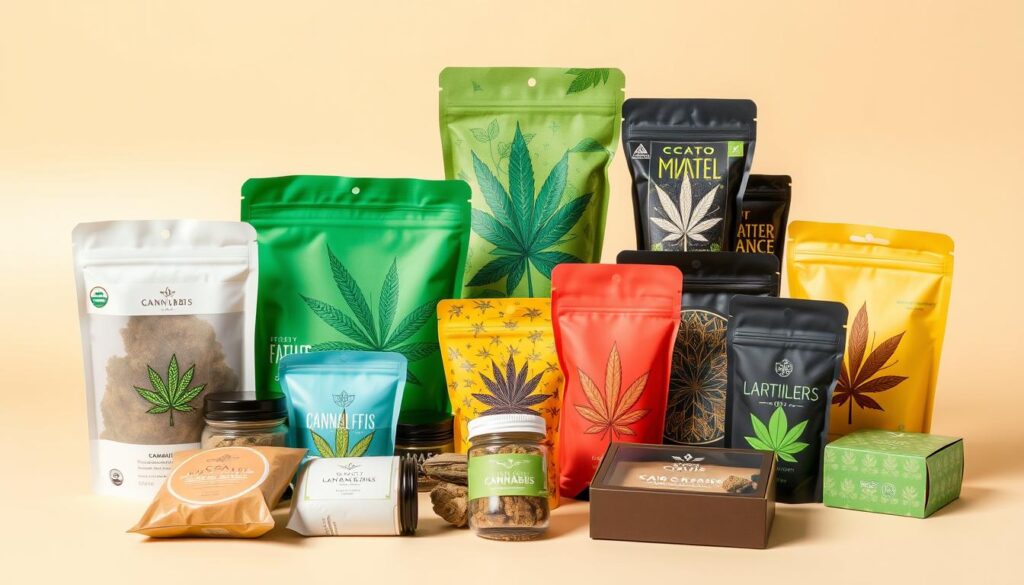
When you go to a dispensary for cannabis, knowing about marijuana pricing, dispensary purchases, and cannabis packaging can make your experience better. You’ll see many products, each with its own packaging. This packaging meets legal standards and catches your eye.
How Dispensaries Package 1.5 Ounces
Most dispensaries package cannabis to follow state laws. When you buy 1.5 ounces, it’s split into smaller units like eighths or grams. This way of packaging helps keep the law and keeps the product fresh and good quality.
- Pre-packaged grams
- Eighths for consumer convenience
- Containers sealed to preserve freshness
Quality vs. Quantity: Pricing Dynamics
The price of cannabis changes based on its quality and the market. Grams cost between $10 to $20, and eighths range from $25 to $75. This depends on the strain and quality. Dispensaries often save the best-looking buds for eighths because people like them more.
Also, there are deals for buying more, showing the balance between quality and quantity.
- Grams and eighths preferred by consumers
- Variable pricing based on strain quality
- Bulk purchase discounts
Knowing these things about dispensary purchases helps you make smart choices. It also makes sure you follow the law and get the best deal on cannabis products.
Ounce Conversion: Grams to Ounces and Beyond
Knowing how to convert grams to ounces is key for those in the cannabis world. Whether you’re buying or selling, it’s important. These measurements impact legality and customer happiness.
The gram is the smallest unit of cannabis sold. In the U.S., converting an ounce to grams is crucial. It helps follow legal buying limits. This way, buyers and sellers can better understand and follow drug quantity rules.
From Grams to Ounces: The Breakdown
A gram can make about two small joints or several uses in pipes or bongs. It’s important to understand how these measurements grow:
- An eighth: 3.5 grams
- A quarter: 7 grams
- A half: 14 grams
- A full ounce: 28 grams
This helps buyers see what they’re getting. It also helps them follow local laws on cannabis.
A Full Ounce and Its Subdivisions
Buying an ounce gives you lots of options. For example, an ounce can make up to 60 joints, depending on size and style. Shops might offer eight eighths for an ounce. This makes it easier to buy smaller amounts over time.
Understanding ounce subdivisions shows how prices work. Prices per gram go down as you buy more. This is good for shops and buyers who want more or to save money.
Learning about converting grams to ounces is very useful. It helps everyone in the cannabis industry. It ensures accurate measurements, saves money, and follows the law.
Indica vs. Sativa: Does Density Affect Weight?
Exploring Indica strains and Sativa strains shows us the cannabis strain density is key. It changes how the plant looks and feels. But, density doesn’t change the plant’s weight.
Indica plants have tight, dense buds, making them look heavier. Sativa plants have loose, fluffy buds. They look bigger but are actually lighter. This difference is important for both buyers and growers.
THCA to THC: The Impact of Density on Pot Amounts
When THCA turns into THC, it changes the plant’s chemistry. This happens when it gets hot. But, it doesn’t change the plant’s weight. This is important for the effects we get from cannabis.
Strain Differences and Their Influence on Volume
The size difference between Indica strains and Sativa strains can confuse us. Indica buds might look smaller but weigh the same as Sativa buds. Knowing about cannabis strain density helps us use cannabis better.
Recreational Cannabis: Understanding Your Buying Limits
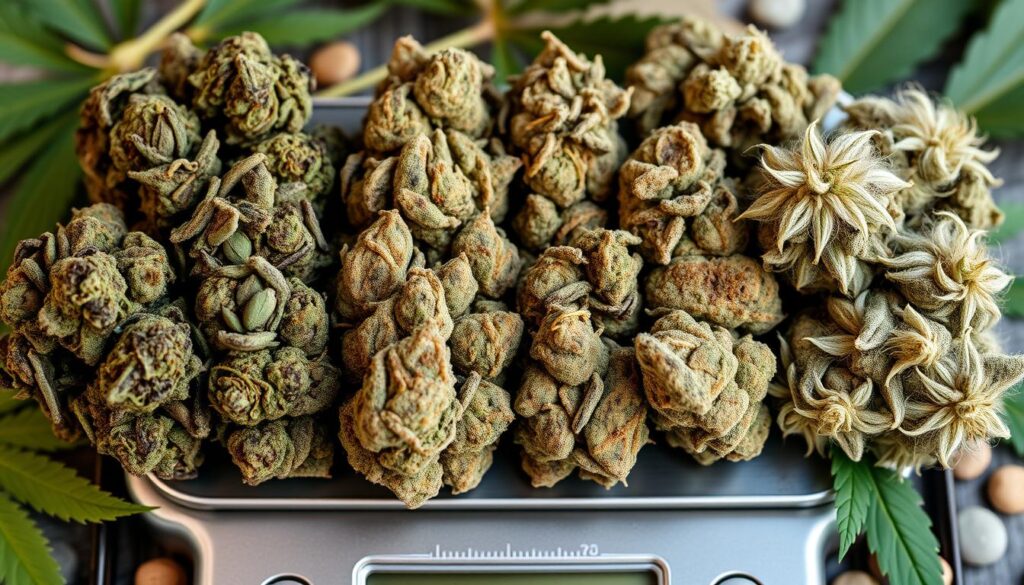
As more states legalize recreational cannabis, it’s key to know recreational cannabis purchase limits. Each state has its own rules, showing how they view cannabis use and possession. These rules can vary a lot.
In Massachusetts, for example, you can buy 1 ounce of flower or 5 grams of concentrates per visit. This shows a strict limit to prevent misuse or selling.
- California lets you buy 1 ounce of cannabis or 8 grams of concentrate daily for fun use.
- Colorado also has a 1 ounce limit per day for recreational users.
- Nevada’s limit is 1 ounce or ⅛ ounce of concentrate daily for recreational buys.
The recreational cannabis purchase limits affect how people use marijuana. Some states are more lenient, while others are stricter. This helps control how much marijuana is used in the community.
To stay legal, it’s important to know your state’s rules well.
Dispensaries use systems like Flowhub to track sales. This helps them follow the law without constant checks. It makes managing sales easier and more accurate.
The goal of these recreational cannabis purchase limits is to avoid bad effects. This includes keeping marijuana out of the wrong hands and preventing illegal sales. It’s wise to check your state’s rules often, as they change fast.
For the latest on marijuana laws, including what you can buy and penalties, check out state-specific resources. This will help you understand the rules better and use cannabis responsibly.
Storing Your Cannabis: Preserving Quality and Weight
Proper cannabis storage is key to keeping your stash fresh. Knowing the best ways to store it helps keep the quality and weight up. This ensures you get the most from your purchase.
Light, air, and heat can damage your cannabis. This can make it less potent and lighter. To avoid this, choose cannabis storage options that protect it well.
- Use airtight containers like glass mason jars with rubber seals. They’re affordable and easy to find on Amazon.
- Keep these containers in a cool, dark spot. A cupboard or drawer is perfect.
- Choose a container that fits your cannabis well. Too much space can cause damage.
By preserving pot quality through good cannabis storage, you keep the weight up. This is vital, especially with the cost of an ounce around $218 in the U.S. Good storage saves money.
For those looking to stop using cannabis, knowing about pot quality and cannabis is important. It affects your experience and how easy it is to stop using THC.
“An ounce of prevention is worth a pound of cure.” This saying is true for cannabis storage. Simple steps can greatly improve your product’s life and quality.
Following these tips helps you enjoy your cannabis longer. It makes every gram more valuable, both in quality and cost. Good storage is essential for getting the most from your cannabis.
Using a Scale for Accurate Weed Quantity Measurement
In the world of cannabis, getting the right amount is key. Different sizes and densities of buds mean you need to measure accurately. This is where a cannabis scale comes in handy. It helps you know if you’re getting the best value for your money.
Whether you’re a pro or new to cannabis, knowing about weight discrepancies is important. It helps ensure fair deals in the market.
The Importance of Precision in Cannabis Weight
Getting the right weight of cannabis is more than just satisfaction. It’s about keeping the trade honest. A small difference in weight can affect how long your weed lasts and how much you enjoy it.
Having a reliable scale at home is a good idea. It lets you check if the weights match what the dispensary said. For example, an eighth of weed should weigh exactly 3.5 grams. Your scale can help you see if this is true.
Discrepancies in Weight: Ensuring You Get What You Pay For
Most dispensaries try to get the weights right, but mistakes can happen. It’s your right to check if you got what you paid for. If the weight is off, like not getting a full ounce, tell the dispensary.
Reporting these issues helps improve your experience and the whole industry. By checking the weight at home, you’ll feel more confident. For more info on cannabis, including how to roll a joint, check out this guide.